Modern travel marketing is no longer simply about convincing someone to visit a location. Travelers today are searching for something much deeper than geography. They are looking for emotion, transformation, atmosphere, escape, adventure, relaxation, connection, and memory-making experiences. In many ways, the destination itself has become secondary to the feeling associated with it.
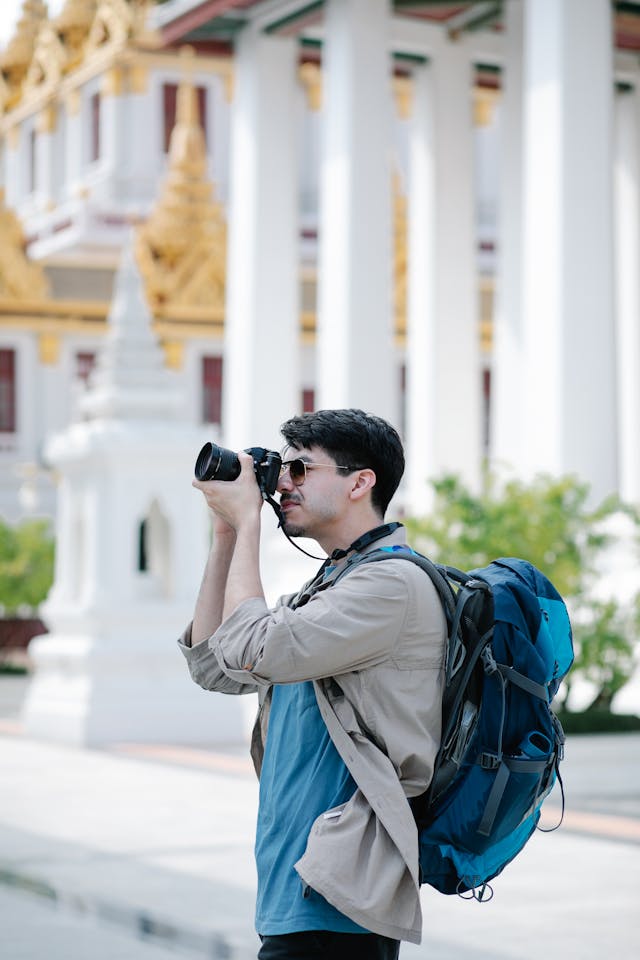
That shift has changed the role of visual storytelling dramatically. Tourism brands, hotels, resorts, airlines, travel bloggers, hospitality companies, and lifestyle brands now rely heavily on travel professional stock photos not just to showcase places, but to communicate experiences people can emotionally imagine themselves having.
The most effective travel photography does not merely show beaches, cities, mountains, or hotels. It creates mood. It tells stories. It makes audiences feel what it might be like to wake up in that cabin, walk through that glowing alleyway, or sit beside that ocean at sunrise.
In the digital age, travel photography has evolved from destination marketing into experience marketing.
The Emotional Shift in Travel Marketing
Years ago, many tourism campaigns focused heavily on landmarks and recognizable locations. Marketing often centered around showing famous monuments, postcard-style beaches, or iconic city skylines.
While those visuals still have value, modern travelers increasingly crave emotional authenticity rather than checklist tourism.
People are asking questions like:
- What would this trip feel like?
- Would I feel relaxed there?
- Could I disconnect from stress?
- Would this experience feel meaningful?
- Does this match the lifestyle I aspire to?
- Would I remember this moment years later?
Travel photography helps answer those emotional questions instantly.
A quiet lakeside cabin at dawn may communicate peace more effectively than paragraphs of advertising copy. A rooftop dinner overlooking city lights can symbolize romance and sophistication. A traveler walking through fog-covered mountains may evoke freedom and self-discovery.
Experiences are emotional. Great travel photography captures emotion visually.
Why Experiences Matter More Than Destinations
Travel has become deeply tied to identity and lifestyle. People increasingly travel not only to see places, but to feel certain emotions and create memorable stories.
Some travelers seek:
- Adventure
- Wellness
- Luxury
- Simplicity
- Cultural immersion
- Creativity
- Escape
- Personal growth
Destinations become vessels for those experiences rather than the final goal themselves.
This is one reason travel-inspired marketing has become effective even outside the tourism industry. Wellness brands, fashion companies, technology startups, and lifestyle businesses all use travel imagery because it symbolizes aspiration and emotional movement.
Travel stock photography helps brands tap into those desires quickly and visually.
Atmosphere Sells Better Than Information
Travel decisions are highly emotional. While pricing, convenience, and logistics matter, atmosphere often creates the initial spark of interest.
People remember feelings far more than facts.
A technically accurate hotel description may explain room dimensions, amenities, and booking policies. But an atmospheric image of warm morning light spilling across a balcony overlooking the ocean creates emotional imagination immediately.
That emotional atmosphere often determines whether someone keeps exploring a destination or moves on.
The strongest travel stock photos create sensory storytelling:
- Warm café lighting suggests comfort
- Ocean mist suggests calmness
- Rainy city streets suggest romance and mystery
- Mountain landscapes suggest freedom and perspective
- Rooftop bars suggest sophistication and energy
The image becomes an emotional shortcut.
Human Moments Create Emotional Connection
One of the biggest reasons travel photography helps sell experiences is because it often includes subtle human storytelling.
Travel images featuring people tend to feel more immersive because viewers can imagine themselves inside the moment.
The most effective commercial travel imagery often avoids overly posed tourist scenes and instead focuses on natural interactions.
Examples include:
- Someone reading beside a train window
- A couple sharing dinner outdoors
- Friends gathered around a fire
- Travelers exploring quiet streets
- A person standing at the edge of a mountain overlook
- Bare feet in the sand at sunrise
- Coffee steam rising on a balcony
These details create narrative possibilities.
Instead of simply observing a location, viewers emotionally step into the experience.
Cinematic Travel Photography Creates Immersion
Modern travel stock photos have evolved far beyond generic postcard imagery. Many now resemble cinematic stills from films or documentaries.
This cinematic style helps sell experiences because it creates emotional immersion.
Characteristics of cinematic travel photography often include:
- Dramatic lighting
- Layered composition
- Atmospheric weather
- Environmental texture
- Motion and direction
- Emotional subtlety
- Realistic color grading
Fog drifting through pine trees, reflections on rain-soaked streets, candlelit interiors, and golden-hour sunlight all create atmosphere that feels emotionally lived-in rather than staged.
Cinematic imagery helps travel marketing feel experiential instead of transactional.
Experiences Are Easier to Personalize
Another reason experience-driven travel photography works so effectively is because audiences interpret experiences personally.
Two people may look at the same coastal image and imagine completely different emotions. One may see relaxation. Another may see adventure. Another may associate it with romance or nostalgia.
Experience-focused photography leaves room for emotional projection.
That flexibility makes travel stock photos highly valuable commercially because they appeal to broader emotional motivations without becoming overly specific.
A simple image of a winding road can symbolize:
- Freedom
- Escape
- Possibility
- Transformation
- Adventure
- Independence
The emotional interpretation becomes part of the marketing power.
Travel Photography Helps Build Aspirational Branding
Hospitality and tourism brands often rely heavily on aspiration.
People are naturally drawn toward experiences that feel elevated, memorable, or emotionally fulfilling. Travel imagery creates visual aspiration quickly.
Luxury resorts use travel photography to communicate exclusivity and indulgence. Wellness retreats use it to suggest calmness and healing. Adventure companies use it to evoke challenge and discovery.
The photography becomes part of the aspirational identity customers want to connect with.
Importantly, aspiration does not always mean luxury.
For some audiences, aspiration may look like:
- Simplicity
- Solitude
- Nature
- Authenticity
- Slow travel
- Minimalism
- Cultural connection
Travel stock photography allows brands to visually define those emotional aspirations.
Social Media Amplifies Experience-Driven Travel Imagery
Social media has accelerated the shift toward experience-focused travel marketing.
People rarely share vacation photos simply to document where they went. They share moments that communicate feeling:
- A sunrise hike
- Candlelit dinners
- Quiet beaches
- Rooftop cocktails
- Scenic train rides
- Cozy cabins
- Vibrant local markets
These images perform well online because they create emotional imagination for viewers.
Travel stock photography designed for modern marketing increasingly mirrors this behavior by focusing less on landmarks and more on immersive atmosphere.
That alignment makes professionally created travel imagery feel more relatable and emotionally engaging.
Small Details Often Matter Most
One of the most powerful aspects of travel photography is that tiny environmental details can dramatically strengthen emotional storytelling.
Sometimes the experience is not sold through grand scenery alone, but through small sensory cues like:
- Rain on windows
- Steam rising from coffee
- Wind moving through curtains
- Footprints in sand
- Lantern light at dusk
- Train tickets on a table
- Open journals beside a backpack
- Fog wrapping around trees
These subtle details make travel imagery feel tangible and emotionally believable.
Viewers begin imagining not only the destination, but the feeling of physically being there.
Travel Photography Extends Beyond Tourism
One reason experience-driven travel imagery remains so effective is because the emotional themes are universal.
Travel visuals are widely used outside traditional tourism because they symbolize broader lifestyle aspirations.
For example:
- A wellness brand may use mountain retreats to represent balance
- A fashion company may use European street scenes to create sophistication
- A technology company may use airport imagery to symbolize flexibility and global connection
- A coffee brand may use travel café photography to create warmth and ritual
The photography becomes symbolic rather than literal.
It sells emotional experience instead of simply physical location.
Why Authenticity Matters More Than Ever
Modern audiences are highly sensitive to overly staged marketing visuals. Travel photography that feels artificial or generic often struggles to create emotional engagement.
Today’s most effective travel stock photos usually emphasize:
- Natural lighting
- Authentic environments
- Emotional subtlety
- Documentary-style realism
- Human imperfection
- Cinematic atmosphere
This authenticity helps experiences feel believable instead of manufactured.
Audiences do not just want beautiful destinations. They want emotional honesty.
Final Thoughts
Travel stock photography has become one of the most powerful storytelling tools in modern marketing because it helps brands sell experiences rather than merely showcasing destinations.
The strongest travel images do not simply document places. They communicate atmosphere, emotion, lifestyle, and possibility. They help audiences imagine what it might feel like to wake up there, wander there, relax there, reconnect there, or transform there.
In today’s experience-driven world, travelers are not only buying trips. They are buying memories, emotions, identity, and moments that feel meaningful.
Thoughtfully selected stock travel photos help bring those emotional worlds to life long before anyone books a ticket or packs a suitcase. Sometimes all it takes is a lantern glowing in the rain, a quiet mountain sunrise, or an empty road disappearing into the horizon to make someone stop scrolling and begin imagining their next experience.