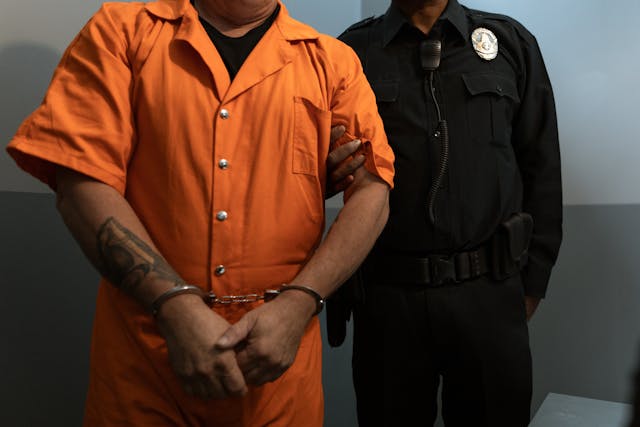
The bail system is a controversial facet of the judicial process, aimed ostensibly at ensuring the accused return for their court dates. Yet, financial instruments designed to uphold justice often disproportionately impact those with fewer resources. Examining these monetary mechanisms reveals costs that extend beyond mere dollars, threatening to undermine the justice it purports to serve.
The Cost of Freedom
At its core, bail serves as a form of insurance, assuring that defendants appear in court. To secure release, defendants or their families must pay a set amount to the jurisdiction holding them. In theory, this deposit is returned when they fulfill their court obligations. However, high bail amounts can place freedom out of reach for individuals lacking financial prowess.
Setting exorbitant bail amounts has become standard practice in many jurisdictions. Critics advocate for reform, positing that such amounts are punitive, compounded by inefficiencies in setting bail amounts without a standard guideline. The result often privileges wealth, effectively holding poorer defendants hostage irrespective of presumed innocence.
For many experiencing the bail system, the journey is fraught with emotional and financial stress. Lingering uncertainty, coupled with a significant bail amount, leaves families scrambling to raise funds. These efforts can unravel familial bonds as individuals sell assets hastily or seek high-interest loans, adding to their financial instability. This ripple effect often strains mental health and increases the vulnerability of affected individuals.
Not every jurisdiction relies heavily on financial deterrents like bail. Some countries, particularly in Europe, utilize alternative methods, such as electronic monitoring and regular police check-ins, to ensure court appearance without imposing financial strains on defendants. These systems prioritize community safety while diminishing financial discrimination, presenting a model worth exploring further.
In places like Osceola County, an Osceola County bail bondsman can offer valuable assistance to families facing financial constraints. By providing an option to post bail through a bondsman, defendants can secure a measure of freedom while alleviating some immediate financial pressures associated with high bail amounts.
Treading a Path Toward Reform
Efforts to reform the system seek to reduce its financial biases. Proponents push for measures like reducing cash bail reliance, implementing risk assessment tools to guide bail decisions, and encouraging preventative detention only when necessary. Explorations into eliminating cash bail, recognizing it often criminalizes poverty, are gaining traction.
Though reform faces significant political and operational hurdles, its necessity is increasingly clear. Acknowledging the financial layers entrenched in the bail system is the first step toward establishing a collectively beneficial judicial model.
Bail Bonds: A Double-Edged Sword
The bail bonds industry plays another critical role. When individuals cannot afford bail, they turn to bail bond agents who, for a non-refundable fee, offer surety in place of the full bail amount. Although facilitating temporary freedom, this solution creates a financial burden akin to a loan, with default penalties extended.
For many, this fee represents a substantial financial strain. Often amounting to 10% or more of the total bail, this cost seldom returns as the bondsman retains it as profit. This model not only perpetuates financial imbalance but also embeds systemic inequalities further into the cracks of society.
Beyond the individual, the reliance on the bail bond industry indirectly supports a system resistant to change. While bondsmen provide service relief for cash-strapped defendants, they also perpetuate a cycle where the focus is shifted towards generating profit over equity. This dimension stalls efforts towards innovative solutions that might otherwise remedy the inherent disparities within the system.
The practice of using bail bonds also introduces a chilling effect on advocacy for systemic change from those caught in its grasp. Potential reform beneficiaries often lack the financial stability to challenge the status quo, further entrenching existing inequalities. This constraint on agency perpetuates a silent acceptance, widening the fissures between justice as an ideal and its everyday execution.
Societal Impacts
The fiscal demands of the bail system transcend individual finances, manifesting widespread societal ramifications. A stark line divides those who can afford bail and those left languishing in pre-trial detention – often for minor charges. This divide hinders employment, exacerbates debts, and severs community ties, fueling cycles of poverty and recidivism.
The fiscal repercussions snowball. Families lose breadwinners, communities face economic outflows, and individuals are left with near insurmountable debts. Society, in turn, bears the costs of increased incarceration rates, which stress already stretched public resources.
This incarceration pipeline extends its reach into areas such as education and healthcare, where individuals struggle with interrupted timelines and depleted resources due to their inability to access these systems during detention. The disruption to regular life cannot be overstated, complicating reintegration and securing basic necessities upon release, and effectively perpetuating a cycle of disadvantage.
Public discourse around these challenges is vital for propelling meaningful change. Community-based initiatives and advocacy groups are rising to the occasion, seeking to dismantle the deeply embedded inequities of the bail system. Through education, outreach, and continued engagement, societal understanding grows, laying the groundwork for future policy adjustments.
Conclusion
The financial complexities inherent in the bail system reveal a hierarchy at odds with ideals of justice and equity. Hence, reevaluating the system is not a luxury but a necessity to align economic reality with social justice. Only through persistent and rigorous reform will the balance between ensuring public safety and safeguarding individual freedoms find its rightful place.